Dartmouth Road upholstery cleaning experts in Forest Hill

If your sofa has started to look tired, your dining chairs smell a bit "lived in", or a favourite armchair has picked up one too many coffee marks, you are probably looking for a proper solution rather than another quick cover-up. That is where Dartmouth Road upholstery cleaning experts in Forest Hill come in. Good upholstery cleaning is not just about making fabric look brighter for a day or two; it is about lifting soil, reducing odours, protecting fibres, and helping your furniture last longer in real everyday use.
In a busy area like Forest Hill, with homes, rentals, family spaces and home offices all pulling double duty, upholstery takes a fair bit of punishment. Shoes on footstools, pet hair on cushions, food spills after a rushed tea, and general dust all build up quietly. This guide explains what professional upholstery cleaning involves, when it makes sense, what to expect, and how to choose the right approach for your furniture. It also covers practical mistakes to avoid, a simple checklist, and a few local service links that may help you plan the next step.
Why Dartmouth Road upholstery cleaning experts in Forest Hill Matters
Upholstery is easy to overlook because it does not scream for attention the way a stained carpet does. But fabric furniture acts like a sponge for day-to-day life. It traps dust, body oils, crumbs, pollen, pet dander, and the occasional mystery mark that no one admits to making. Over time, that build-up can change the look, smell, and feel of the room.
For residents and businesses near Dartmouth Road, regular upholstery care matters for a few practical reasons. First, it helps furniture keep its shape and presentation. Second, it can reduce allergens and stale odours in rooms that are used constantly. Third, and this gets forgotten a lot, it can delay costly replacement. A decent sofa or set of chairs is not cheap. Keeping them cleaner for longer is just sensible.
There is also a comfort factor. A clean armchair under you in the evening feels different. Softer, fresher, less sticky in summer. Small thing, maybe, but you notice it. And if you have guests, clients, or tenants coming through the door, furniture condition speaks very quickly about how a property is cared for.
In practice, the aim is not to make furniture look factory-new every time. That is unrealistic, and anyone promising that is overselling. The real goal is to restore freshness, remove as much embedded soil as the fabric safely allows, and protect the material from avoidable wear.
For broader fabric and soft-furnishing care, it can also help to understand related services such as sofa cleaning, upholstery cleaning, and specialist stain removal where marks need a more targeted treatment.
How Dartmouth Road upholstery cleaning experts in Forest Hill Works
Professional upholstery cleaning usually follows a careful process rather than a one-size-fits-all blast of water and detergent. That matters because fabrics behave differently. A cotton blend, a synthetic weave, velvet, and a delicate textured fabric will not all tolerate the same approach.
Typically, the process starts with inspection. The cleaner checks the fabric type, the condition of the stitching, how the furniture is built, and whether there are visible problem areas such as ink, grease, food spills, pet accidents, or dye transfer. This first look is important. It helps avoid surprises later. Truth be told, many cleaning mistakes happen because someone skips this stage and just gets started.
Then comes dry soil removal. That usually means vacuuming thoroughly, including seams, cushions, and hidden crevices where crumbs and grit settle. If you have ever lifted a sofa cushion and found enough snack debris to start a small market stall, you will know why this matters.
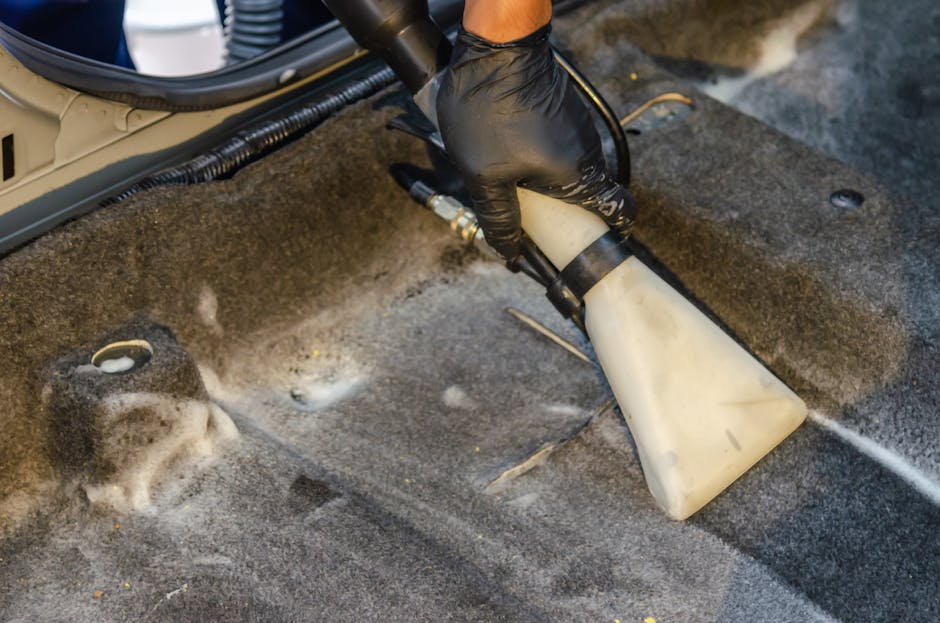
After that, a suitable pre-treatment may be applied to loosen grime or address stains. The actual cleaning method can vary. Common options include hot water extraction, low-moisture cleaning, or carefully controlled spot treatment. The aim is to clean deeply while keeping the fabric safe and the drying time reasonable.
Finally, the fabric is rinsed or finished so that residues do not stay behind and attract dirt again. Good cleaners also make sure the furniture is left in a condition that can dry evenly and safely. In some cases, fans or extra ventilation help speed things along, especially in cooler months when a room can feel damp until late afternoon.
If you are comparing services, it is worth looking at the provider's wider experience with delicate furnishings too, including curtain cleaning, rug cleaning, and even pet stain and odour removal when pet-related issues are part of the picture.
Key Benefits and Practical Advantages
The obvious benefit is appearance. Clean upholstery tends to look brighter, feel fresher, and make the whole room seem more cared for. But the better value is often in the less obvious wins.
- Freshens the room: Upholstery can hold smells from cooking, pets, smoke, and general daily use. Cleaning can reduce those lingering odours.
- Helps fabric last longer: Dirt particles are abrasive. Once they settle into fibres, they can wear fabric down gradually.
- Improves comfort: A properly cleaned seat feels cleaner against the skin, especially in warm weather or busy homes.
- Supports a healthier indoor environment: While cleaning is not a medical treatment, it can reduce built-up dust and allergens on soft furnishings.
- Better for landlords and tenants: Presentable furniture can help with inspections, move-in resets, and end-of-tenancy preparation.
- Useful for businesses: Waiting rooms, client spaces, and office reception areas benefit from clean upholstered seating.
There is also a confidence boost that people underestimate. You sit down, and the chair does not feel embarrassing. The sofa no longer needs a strategically placed throw. Sounds trivial, but it affects how a room feels day to day.
For some properties, upholstery care pairs neatly with carpet maintenance. If the whole room has taken a beating, it may make sense to look at carpet cleaning or even steam carpet cleaning at the same time so the soft surfaces feel consistent rather than half-done.
Who This Is For and When It Makes Sense
Not every piece of furniture needs frequent professional attention, but many households and workplaces benefit from it more often than they realise. If you have pets, children, guests, clients, or simply a busy routine, upholstery will probably show it sooner rather than later.
This service makes sense for:
- Households with fabric sofas, armchairs, footstools, or dining chairs
- Landlords preparing a property between tenancies
- Tenants wanting to leave furniture in better condition before moving out
- Homeowners dealing with spills, pet odours, or general dullness
- Small offices, salons, waiting rooms, and other customer-facing spaces
- Anyone with allergies who wants to reduce settled dust on soft furnishings
You should also consider it if the furniture still feels structurally sound but looks older than it should. That is the sweet spot. If the frame is good and the fabric is recoverable, cleaning can buy you a lot more use.
On the other hand, if a piece is badly torn, heavily sun-faded, or disintegrating at the seams, cleaning will only do so much. Better to be realistic. A cleaner should tell you that straight. No drama, just the truth.
Sometimes the need is seasonal. After a wet winter, fabric can pick up a stale smell. After summer, you may notice body oils and dust have built up in a way that becomes obvious only when the windows close again. Little moments like that are a decent clue that the furniture is due.
Step-by-Step Guidance
If you have never booked upholstery cleaning before, the process can feel a bit vague from the outside. Here is the practical version.
- Identify the furniture and fabric type. Check labels where available. If the care tag is missing, a good cleaner can still assess it, but any clues help.
- Mark the problem areas. Point out stains, pet zones, faded patches, or spots that get used most. This saves time and improves the outcome.
- Ask how the fabric will be treated. Different materials need different moisture levels and cleaning solutions.
- Prepare the room. Move small items, clear side tables if you can, and make sure there is access to the furniture. It sounds obvious. Still gets overlooked.
- Allow for inspection and pre-testing. A small hidden patch may be tested first to check colour fastness and fabric response.
- Let the cleaner remove loose soil first. Vacuuming and dust extraction are not optional extras; they are part of proper cleaning.
- Watch for stain-specific treatment. Old marks may need extra dwell time or a separate method. One pass rarely solves everything.
- Plan for drying. Open windows if appropriate, keep the room ventilated, and avoid sitting on the furniture until it is dry enough.
- Review the result once dry. Some marks improve significantly after drying, while others may need a follow-up treatment. That is normal.
If you are coordinating multiple soft furnishings, it can be useful to line up related services in one visit, such as mattress cleaning or sofa cleaning, especially in homes where dust, odour, and fabric wear all tend to travel together.
Expert Tips for Better Results
A few small decisions make a surprisingly big difference to upholstery cleaning outcomes. This is the part where experience shows. Not flashy, just practical.
Vacuum first if you can. Even a quick pre-vacuum helps. The cleaner can then focus on embedded soil instead of surface fluff. That means better contact with the fibres and less mess overall.
Tell the truth about stains. Nobody enjoys admitting there was a red wine spill last Christmas, but it helps. The age and type of a stain often matter more than the stain itself.
Avoid over-wetting at home. If you dab with water before the clean, keep it light. Soaked fabric can spread the mark, distort padding, or leave a tide line. A classic "trying to help" moment that backfires.
Use ventilation. Fresh air helps. If the weather is damp or cold, a bit of airflow is still better than sealing the room up. Drying time matters more than people think.
Ask about fibre safety. Certain fabrics, especially delicate ones, need lower moisture or more controlled chemistry. That is not over-cautious; it is proper care.
Be realistic about wear. Cleaning can improve appearance, but it cannot reverse sun bleaching or physical abrasion. Good advice beats false promises every time.
Combine services when sensible. If the upholstery and the floor coverings both need attention, a coordinated clean often saves time and gives a more balanced result. You notice the difference when the room feels coherent rather than half refreshed.
Expert summary: The best upholstery cleaning is careful, fabric-aware, and honest about what can be improved. The goal is cleaner, fresher, longer-lasting furniture, not a miracle in a bottle.
Common Mistakes to Avoid
Some upholstery problems are made worse before a cleaner even arrives. It happens all the time, and to be fair, most people are only trying to rescue a stain quickly.
- Rubbing a stain hard: This pushes the mark deeper into the fibres and can rough up the fabric surface.
- Using random products: Household sprays may bleach, smear, or lock in residues. One product on one fabric can be fine; on another, not so much.
- Skipping fabric identification: If you do not know the material, you are guessing. Guessing and upholstery do not mix well.
- Cleaning only the visible spot: Spot-cleaning without treating the surrounding area can leave rings or patchy colour.
- Sitting on damp furniture too soon: This can flatten fibres, transfer dirt back into the fabric, or create new marks.
- Assuming all odours are surface-level: Pet or spill odours can sit deeper than the top layer. They may need a more targeted approach.
One slightly funny but true point: the sofa almost never forgives the "just one more spray" approach. If the fabric is already damp, stop there. Really.
Another common issue is overlooking hidden areas like the back of cushions, the underside of seat pads, and arm rests. Those are the places where grime quietly accumulates while the front still looks passable from across the room.
Tools, Resources and Recommendations
You do not need a house full of specialist gear to look after upholstery, but a few sensible tools help keep things cleaner between visits. The aim is maintenance, not amateur chemistry.
| Tool or Resource | What it helps with | Good practice note |
|---|---|---|
| Vacuum with upholstery attachment | Loose dust, crumbs, hair, and surface debris | Use on cushions, seams, and under edges regularly |
| Microfibre cloth | Light dusting and gentle blotting | Blot, do not scrub |
| Soft brush | Loosening pet hair or debris before vacuuming | Use lightly to avoid roughing up the pile |
| Ventilation | Helps drying after cleaning | Fresh air and airflow are simple, but effective |
| Service comparison notes | Choosing between cleaning methods | Ask how the fabric, stains, and drying time will be handled |
In terms of service selection, you may also want to review a provider's stance on pricing, access, and what is included. A clear pricing and quotes page is useful because it helps you understand the likely scope before booking, rather than guessing from a vague phone conversation.
For peace of mind, it is also sensible to check details around insurance and safety, especially where furniture is valuable or access is awkward. That is not being fussy. It is just sensible due diligence.
Law, Compliance, Standards, or Best Practice
Upholstery cleaning is not usually the kind of service people associate with regulation, but there are still important standards and best practices to think about. In the UK, a responsible cleaning provider should take health and safety seriously, use products appropriately, and avoid making misleading claims about what cleaning can achieve.
For customers, the key point is simple: you want a service that is careful, transparent, and properly insured. If someone works inside a home or business, there should be a sensible approach to risk, chemicals, access, drying, and any fragile materials. That is especially relevant for shared buildings or busy properties where someone could easily slip on a wet floor or sit on damp seating. Small stuff, big consequences.
It also helps when a company publishes clear policies around how it works, how complaints are handled, and how personal data is managed. Those details are not glamorous, but they signal that the business is organised rather than making it up as it goes along. For example, you can review the company's health and safety policy, terms and conditions, and privacy policy to get a clearer sense of how it operates.
Best practice also includes being honest when a fabric is too delicate for an aggressive clean. A trustworthy cleaner will sometimes recommend a lighter method or explain that results may be limited. That kind of candour is a good sign, not a weak one.
And yes, there is a customer-service side too. If a provider has a fair complaints procedure, that usually tells you they are willing to stand behind their work rather than vanish at the first awkward question.
Options, Methods, or Comparison Table
There is no single "best" upholstery cleaning method for every situation. The right choice depends on the fabric, the level of soil, the drying time you can allow, and the kind of stains involved. Here is a simple comparison to make the options easier to read.
| Method | Best for | Strengths | Limitations |
|---|---|---|---|
| Hot water extraction | Many durable fabric sofas and chairs | Deep clean, good soil removal, strong freshening effect | Longer drying time; not ideal for all fabrics |
| Low-moisture cleaning | Sensitive fabrics or quicker turnaround needs | Faster drying, reduced saturation | May be less aggressive on heavy soiling |
| Targeted stain treatment | Small localised marks | Focuses on problem areas | Not enough on its own for overall grime |
| Deodorising treatment | Pet odours, stale smells, smoke-related freshness issues | Improves room feel and upholstery freshness | Should be paired with real cleaning, not used as a mask |
If your furniture needs broader refresh work, some people also pair upholstery care with pet stain odour removal or stain removal. That combination makes sense when the issue is not just appearance but smell and embedded residue too.
Case Study or Real-World Example
Here is a realistic example from everyday life. Imagine a family on Dartmouth Road with a cream fabric sofa in the front room. The sofa still looks decent in bright daylight, but by evening you notice two things: a faint food smell near the seat cushions and a darker patch on the arm where everyone tends to rest their hands. Nothing dramatic. Just enough to make the room feel less fresh than it should.
A sensible upholstery clean would begin with identifying the fabric and checking whether the dark patch is grease, drink residue, or everyday wear. The cleaner would vacuum thoroughly, treat the arm area gently, and clean the full seating surface so the repaired section does not stand out. Drying would be managed with airflow, and the family would avoid using the sofa until it was ready.
What tends to happen next? The room feels brighter, the sofa stops drawing attention to itself, and the family realises they had got used to the smell. That is often how it goes. You only notice the difference when it is gone.
For a small office example, think about reception seating that has been used by dozens of visitors each week. The fabric may not be visibly filthy, but it can still look tired and absorb everyday odours. In that setting, professional upholstery care is partly about presentation and partly about reassuring people that the space is looked after. Not flashy. Just proper.
Practical Checklist
Before you book or carry out upholstery cleaning, run through this quick checklist. It keeps things simple and reduces surprises.
- Identify the item: sofa, armchair, dining chair, footstool, or office seating
- Check for a fabric care label if one is available
- Note the main issue: stains, odour, general dullness, pet hair, or spill damage
- Decide whether the whole item or only one area needs attention
- Move small obstacles away from the furniture
- Ask about the cleaning method and drying time
- Confirm whether stain pre-treatment is included or recommended
- Make sure there is decent ventilation for drying
- Avoid using home products before the clean unless advised
- Review any aftercare advice once the work is complete
Quick takeaway: If you can describe the fabric, the problem, and the timing of the issue, you will usually get a better result. Clear information helps the cleaner help you. Simple, really.
Conclusion
Dartmouth Road upholstery cleaning experts in Forest Hill are most useful when you want more than a surface tidy. The right service can freshen a room, improve comfort, reduce odours, and help your furniture last longer. Just as importantly, it gives you a practical way to deal with the everyday build-up that slowly makes upholstery look older than it should.
The best results usually come from careful inspection, the right method for the fabric, honest expectations, and a little aftercare at home. If you choose well, the furniture should feel cleaner without looking over-processed. That balance matters. In a home, you want it to feel lived in, just cleaner. In a business, you want it to look welcoming without seeming overdone.
If you are comparing service details, it can help to review the company background on about us, look over the recycling and sustainability approach, and check practical pages such as payment and security. Those details are often the difference between a smooth booking and a frustrating one.
Get a free quote today and see how much you can save.
And if you are standing there looking at a worn patch on the sofa this evening, don't beat yourself up. Most upholstery just needs the right attention at the right time.
Frequently Asked Questions
How often should upholstery be professionally cleaned?
That depends on use. A busy family sofa with pets or children may need attention more often than a spare-room chair. For lightly used furniture, occasional cleaning may be enough. The best clue is usually appearance, odour, and how quickly the fabric starts to feel dusty or dull.
Can upholstery cleaning remove all stains?
Not always. Fresh spills are usually easier to improve than old, set-in marks. The type of stain, the fabric, and how long it has been there all matter. A good cleaner should explain what is realistic rather than promising a perfect result on every mark.
Will my sofa be left very wet?
A proper clean should not leave the furniture soaked. Some methods use more moisture than others, but the process should be controlled carefully. Drying time depends on fabric type, room temperature, airflow, and the cleaning method used.
Is upholstery cleaning safe for delicate fabrics?
It can be, provided the cleaner identifies the fabric correctly and uses the right method. Delicate fabrics often need lower-moisture techniques or more cautious treatment. This is one reason a pre-inspection matters so much.
Can cleaning help with pet smells?
Yes, especially when the odour is in the fabric or surface padding rather than deep structural damage. For pet-related issues, a combination of targeted treatment and proper cleaning tends to work better than fragrance products alone.
Should I vacuum upholstery before the cleaner arrives?
If you can, yes. A quick vacuum helps remove loose debris and makes the professional clean more effective. It is not essential, but it does help. No need to make it perfect, just give the cleaner a head start.
How long does upholstery take to dry?
Drying time varies. Some furniture dries relatively quickly with low-moisture methods, while deeper cleaning may take longer. Ventilation helps a lot. If the room is cool or damp, expect a slower dry.
What if my fabric has no care label?
That is common enough. A competent cleaner can still assess the item by looking at the weave, texture, construction, and how it responds to a test area. The absence of a label does not automatically rule out cleaning.
Is upholstery cleaning worth it for rental properties?
Often, yes. In rental settings, clean upholstery can improve presentation and help furniture last between tenancies. It is especially useful where furniture is part of the letting package and needs to look presentable quickly.
What should I ask before booking?
Ask about the cleaning method, estimated drying time, treatment for stains or odours, and whether the service is suitable for your fabric type. It is also sensible to ask about insurance, safety, and what happens if you are unhappy with the result.
Can upholstery cleaning be combined with other services?
Yes, and that is often sensible. Many people pair it with carpet, rug, or curtain care so the room refresh feels complete rather than partial. If the whole space has taken a beating, tackling only one item can feel a bit half-hearted.
How do I know if a cleaner is trustworthy?
Look for clear explanations, sensible expectations, and straightforward service information. Helpful pages such as insurance and safety and complaints procedure can tell you a lot about how the business handles its responsibilities.